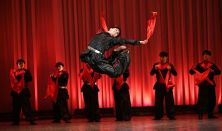
Kecskés D. Balázs: A megfeszített
Premiere

Premiere
Ön egy múltbeli eseményre keresett rá. Kérjük, válogasson aktuális kínálatunkból a Jegy.hu keresőjében!
Last event date: Thursday, February 05 2026 7:30PM
NIETZSCHE. CONTEMPORARY. INTERPRETATIONS.
“Raised as a Protestant, Johannes Brahms, who later became a freethinker, based the libretto of his entitled ‘A German Requiem’ exclusively on biblical texts. At the same time, he created a libretto in which he produced new, theologically unorthodox meanings. My own intention is similar: “I will use Friedrich Nietzsche’s words and ideas as a starting point, and from here new interpretative possibilities can potentially emerge. Despite its unusual libretto, this piece is deeply rooted in the sacred tradition of the oratorio. Besides, the rethinking of what a genre with a long history and tradition can potentially mean for us in the 21st century could also be a way to commemorate the 125th anniversary of Nietzsche’s death,” Balázs D. Kecskés states.
Program
Liszt: Two Legends
Liszt: Two Episodes from Lenau’s Faust
Balázs D. Kecskés: The Crucified – Premiere
Conductor
Gergely Dubóczky
Artists
Nóra Tatai (szoprán), Csaba Horváth (bariton)
Hungarian Radio Symphony Orchestra and Choir
Photo: Balázs Kecskés D. ©Andrea Felvégi
.jpg)

Napfényben fürdő görög sziget. Mindent körbeölelő csillogó türkiz tenger. Hangulatos tavernák, ínycsiklandó étkek, mavrodaphne… Egyszerűen idilli - tökéletes felkeresni, ott időzni, visszatérni – s persze élni. Donna Sheridan, a független, céltudatos asszony ezt a nem mindennapi környezetet választotta otthonául, és itt született húsz évvel ezelőtt Sophie is, a lánya. Sophie, aki édesanyja szemléletétől eltérően mindig is szenvedélyes szerelemről, hatalmas fehér esküvőről álmodott, elvágyik e csodálatos mediterrán szigetről. A nagy utazást azonban nem egyedül, hanem választottja, Sky oldalán tervezi elkezdeni. Házasságkötésüket mindössze egy apróság árnyékolja be: Sophie szeretné, ha édesapja vezetné oltárhoz, akit azonban nem ismer...
(esőnap: július 12.) Lenyűgöző harmónia, határtalan energia és művészi precizitás!
(esőnap: szeptember 5.) Az energikus és inspiráló együttes!
Sacré Cœur : Son règne n'a pas de fin French documentary, 95 min, 2026 in French, with Hungarian subtitles
item(s) in basket
total:
Time limit has expired. Please, put item(s) in to basket again.